

Creating a Medical Teaching Video - Part 1
John Yeats, AAIMBI
Introduction
This is a series of five articles based on a presentation given at BIOCOMM 2025 (Tucson, May 5-9, 2025). It is written with the intent of guiding the reader through the steps required to create a teaching video pertaining to medicine. It is also written as an encouragement for medical photographers to consider taking on video projects that may be out of the comfort zone of experience. Despite obvious differences between photography and videography, there are helpful similarities. It is my intention in these articles to encourage the reader that while online information is made available to both the novice and the experienced videographer, there are some important guidelines to be followed when making an educational video.
Part 1: Introduction and General Thoughts
Part 2: Protocols and Procedures for Filming in an Operating Theatre
Part 3: Considerations in Editing Techniques
Part 4: Sound, Narration, Inserting Photos and Text
Part 5: Split Screen, Exporting Files, and Conclusion
Acknowledgments
The author would like to thank the EFFE (Endowment Fund For Education) Committee for the generous assistance via a BCA BIOCOMM Grant covering expenses pertaining to the attendance at BIOCOMM 2025.
I would also like to express my great appreciation to Howard Radzner for his time and expertise in editing these articles. I am grateful also to Danielle Edwards for her assistance and encouragement to write.
General Thoughts
A medical communication unit in a hospital, particularly one that is a teaching facility, will occasionally be called upon to create instructive teaching material via video. The purpose of this article is to outline some features that are significant in the production of a video used for educational purposes.
A successful medical teaching video will be one that describes or outlines a topic or a procedure in the clearest possible way. The filmmaker must use many of the techniques that define a good medical photograph. Features such as clarity, focus, true colour, composition are essential. Simplicity without distractions must prevail.
A teaching video is primarily instructional. It conveys information, both auditory and visual for the purpose of education.
There are 5 major roles or responsibilities of individuals involved in an instructional video production: 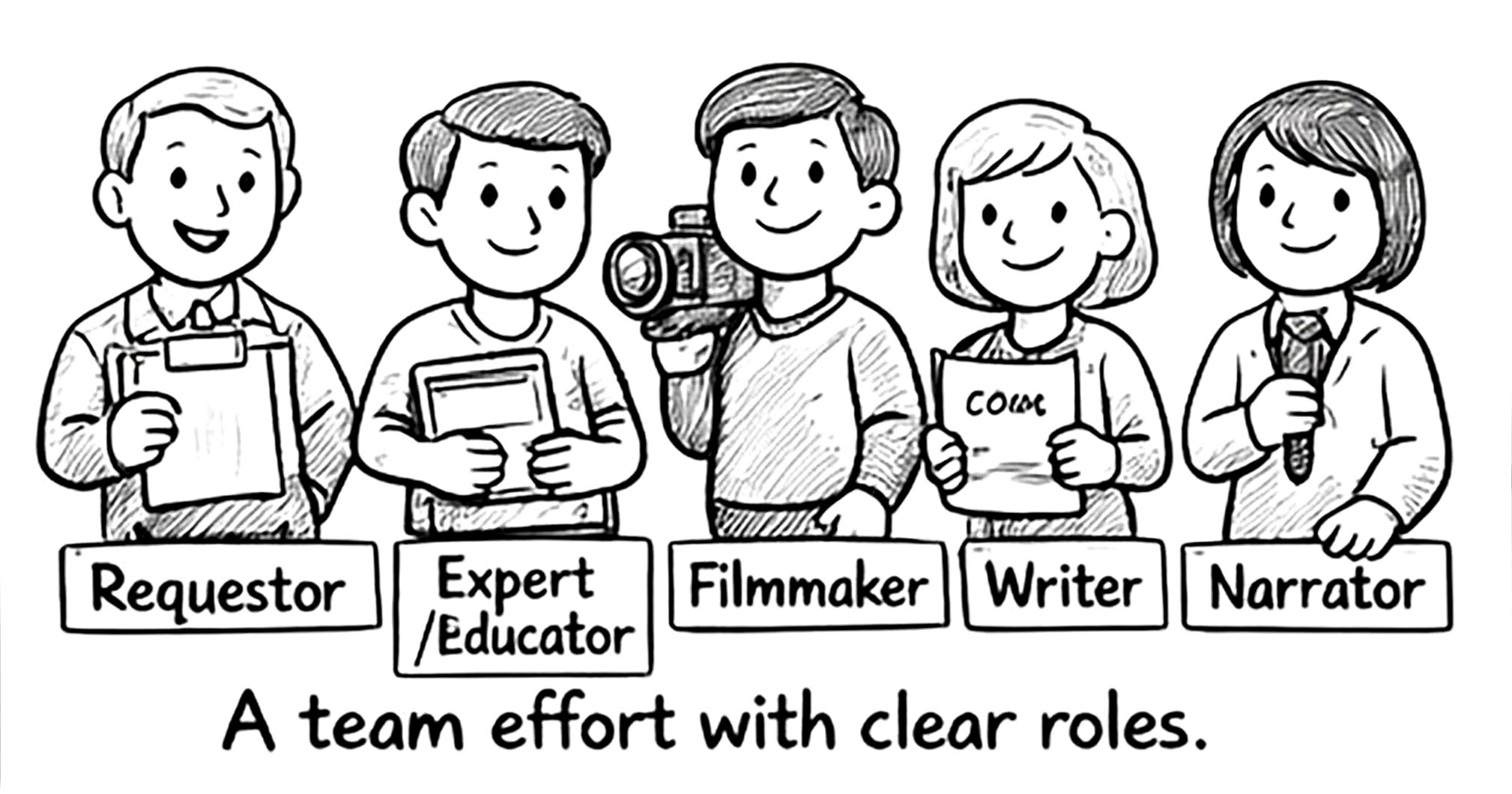
1. Requestor: The one who commissions the video. This person facilitates and authorises the production by giving permission for the use of the facility, overseeing any legal issues and funding the project.
2. Expert or Educator: This role is filled by the person who ultimately conveys the information or skill that is required for the video. In many cases the requestor, expert and educator are the same person.
3. Filmmaker: One who is responsible for the actual production of the video. This may fall to one person or maybe a team of people skilled in videography, video editing and sound production
4. Writer: A good script is vital to the success of a teaching video, and a writer may be needed to convert the concepts and facts provided by the expert/educator into effective language.
5. Narrator: This is the person whose voice is heard throughout the video to explain what is taking place.
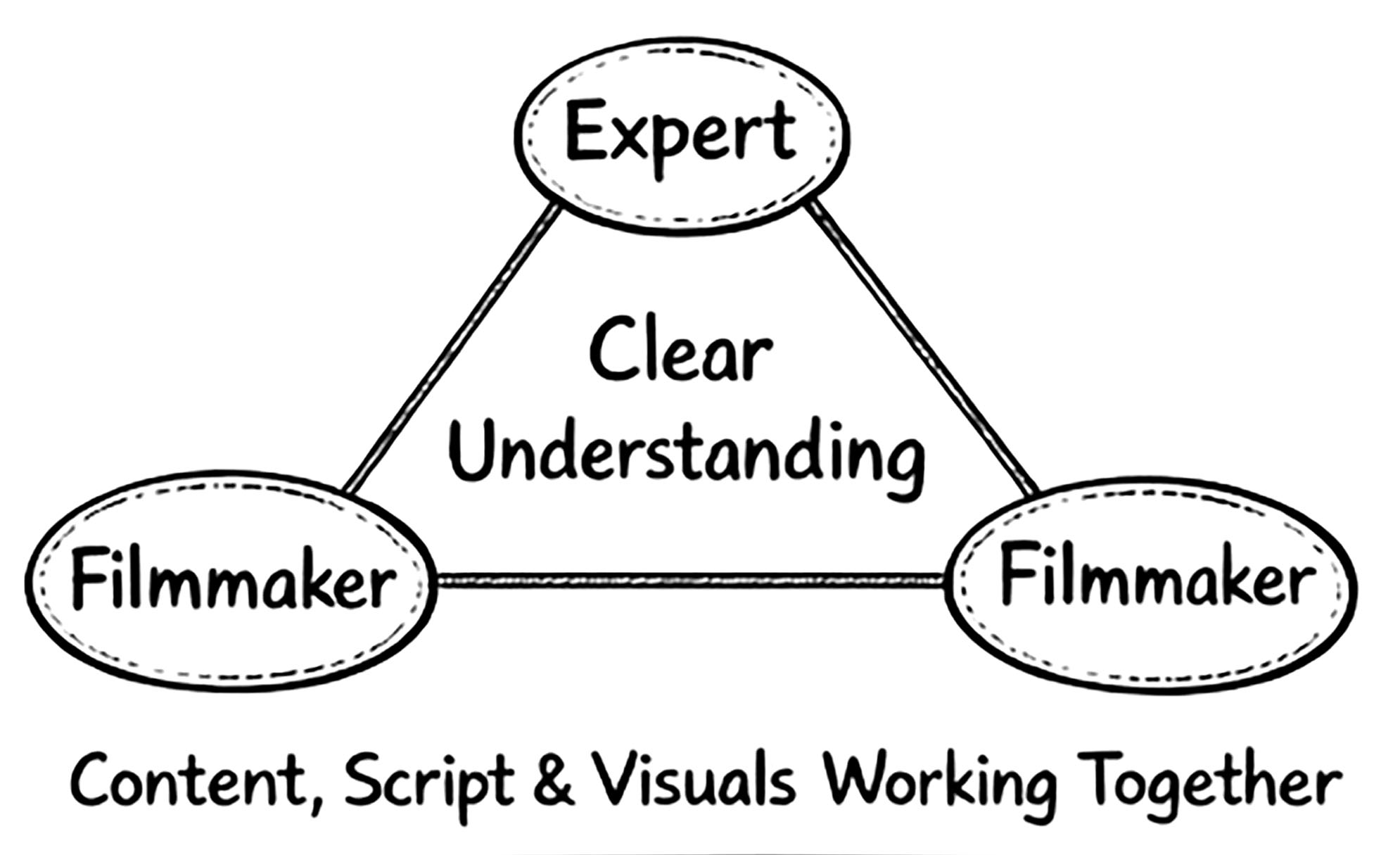 A critical component of the teaching video is the liaison between the film maker, the expert and the writer. There needs to be a clear understanding between these parties. The expert has the knowledge and the experience of what is to be taught. The writer carries the responsibility of enabling the viewer to understand the material. The filmmaker possesses the tools and experience that can communicate the visual and auditory information as clearly and as simply as possible.
Production of a Teaching Video
We see at least 5 broad phases in the production of a teaching video.
1. Development
Concept Generation and Research: In this phase of the production the overall purpose of the video needs to be clearly delineated by the educator so that it is well understood by the filmmaker. Format and content will be discussed. It may be opportune to schedule progress meetings which will be required throughout the production process. The filmmaker will need to spend time researching the topic of the video in order understand the purpose of the teaching material.
Proposed Video Length: At the initial meetings the approximate the length of the video should be determined. This is an important factor and will present a challenge for the filmmaker. There is often much information to convey and if the video is for example based on surgical techniques and procedures much content will need to be captured and then edited to an educationally appropriate duration. A range of 5-20 min is considered appropriate. Krumm et al proposes that the ideal duration range for an instructional video is from 6-9 minutes. The authors of this article state that the video duration can be limited by keeping the learning objectives tightly focussed and this maximises learner attention.1
The filmmaker is not the expert and final decisions of what to retain and eliminate from the finished video should be the decision of the expert. For this reason, good communication between the expert and film maker is vital.
Costing: At a very early stage of planning a discussion of costing should take place. Even, if there is a non-costing arrangement within the hospital facility a discussion of resources should take place. Estimates of costs for projects such as video production are very difficult to develop. Video capture (filming) may be able to be estimated within reasonable accuracy. However, the time involved in post-production can be highly variable (particularly regarding editing).
A rule of thumb of one hour of editing time per minute of video may give a rough estimate of the project time. Extra post-production costs may include the use of copyrighted material, narration fees, and outsourcing of extra labour. These need to be factored in to achieve an overall estimate of costs. The filmmaker’s hourly fee (rate) for both filming and editing should be declared openly to the requestor at the initial meeting.
Casting: This is essential, for example for the filming of a surgical or medical procedure involving a patient as retro filming may be impossible or at least inappropriate. Patient recruitment and consent, if required, will need to be discussed. Media consent forms will most likely be provided by the institution requesting the video. If not available, the film maker should consider having their own branded media consent form that they can use.
2. Pre-Production
Script Writing: A draft script, if available to the film maker will be of great benefit to the film maker. This hopefully will be provided by the requestor or expert/educator.
It will provide an accurate guideline, ensuring that capture and editing are executed in accord with the original planning. However, many videos are created with scripts being written to suit available footage. While this may be necessary and, in many cases, successful, care must be taken to ensure the original intention of the video is not compromised.
If, as is sometimes the case, the script has been pre-written then, depending on how accurate the capture has been, the script may need to be altered to fit into the content. This will require additional input from the expert or educator.
The script’s content needs to be the sole responsibility or under the authority of the expert or educator participating in the production of the educational video. The expert needs to convey his or her knowledge to the viewers via the filmmaker. The expert may delegate this to a member of the staff who has a thorough knowledge of the subject or work with a collaborating scriptwriter. The filmmaker should not be expected to come up with a script as he/she might in other short video genres.
The educator must be made aware of the filmmaker’s lack of expertise in the subject. This may sound obvious, but the time constraints of experts should not be an excuse for non-participation in the production of a suitable script.
Outlining and Storyboarding: A clear and ‘tight’ outline is an essential element in the production of a teaching video. There is need for delivery of information and it is essential that all pre-planned elements are covered. Video capture should, as much as possible be based upon the outline that is being followed, and not vice versa.

Storyboarding is a visual representation of the outline, scene by scene, often in the form of thumbnail sketches. While this is best achieved prior to filming, flexibility may be needed in the case of surgical teaching videos as there is limited availability of tailoring the video capture to a previously sketched scene from the story board. A good storyboard produced in the pre-production phase nonetheless is a vital tool to assist video capture.
Shot List: This is based on the outline and storyboard and is in fact a summary document for the video capture that is required. Again, this may be an important tool to carry into an operating theatre, for example, as a surgical procedure is videoed.
3. Production
Filming: Video recording will vary depending on the nature of the video. If for example the video capture is a surgical procedure, there is much to be considered when working in a sterile environment such as operating theatre of a procedural room. For example, when it is impractical to film from the surgeon’s viewpoint it may be well possible to quickly obtain still photograph(s) which can be inserted into the video. Head mounted capture devices such as GoPro® camera have been worn by surgeons to get a surgeon’s point-of-view footage. This should be discussed and planned in the pre-capture planning with the expert. While there is usually only one videographer filming it may be a consideration to have a second or even third camera recording either or both a wide and close field of view.
Some operating theatres may have recording devices pre-mounted in theatre equipment such as operating lights and these recordings may be of use in the editing process as well. Endoscopic footage may be available in some procedures. Obviously, the more devices that are used compounds the complexity of the editing process but may indeed prove invaluable. The use of a grey or white card may assist in matching the colour balance of capture devices.
B roll Footage: The video capture will include footage of the procedure but there may be additional required footage such as wide or cut-away shots, the use of illustrations, graphic material, or still photographs. It is important to liaise with the expert regarding the various components required.
Audio Recording: Once a script has been finalised to fit the visual content, narration can proceed. It may be the decision of the educator as to whose voice is to be used, i.e., that of the expert or a generic voice. The quality of the sound recording is of great importance. Video productions can easily be made ineffective by poor sound quality. The narrator needs to speak in a clear and understandable voice.
The mechanics of a voice-over will vary. Recording can be made on an external device while the video is playing, or it can be recorded directly onto the video project on most editing programs. Both situations will require rehearsal of each scene to ensure timing is accurate. In all cases the room for recording should be free from ambient sound and distractions.
4. Post Production
Aspects of specific editing techniques is discussed at greater length in Part 3 of this series. Some terms regarding stages of editing are briefly explained below.
The Rough Cut: A rough edit, or rough cut is an early necessity. The primary focus here is on the basic structure and content of the video, rather than the final details. The primary purposes of the rough edit are:
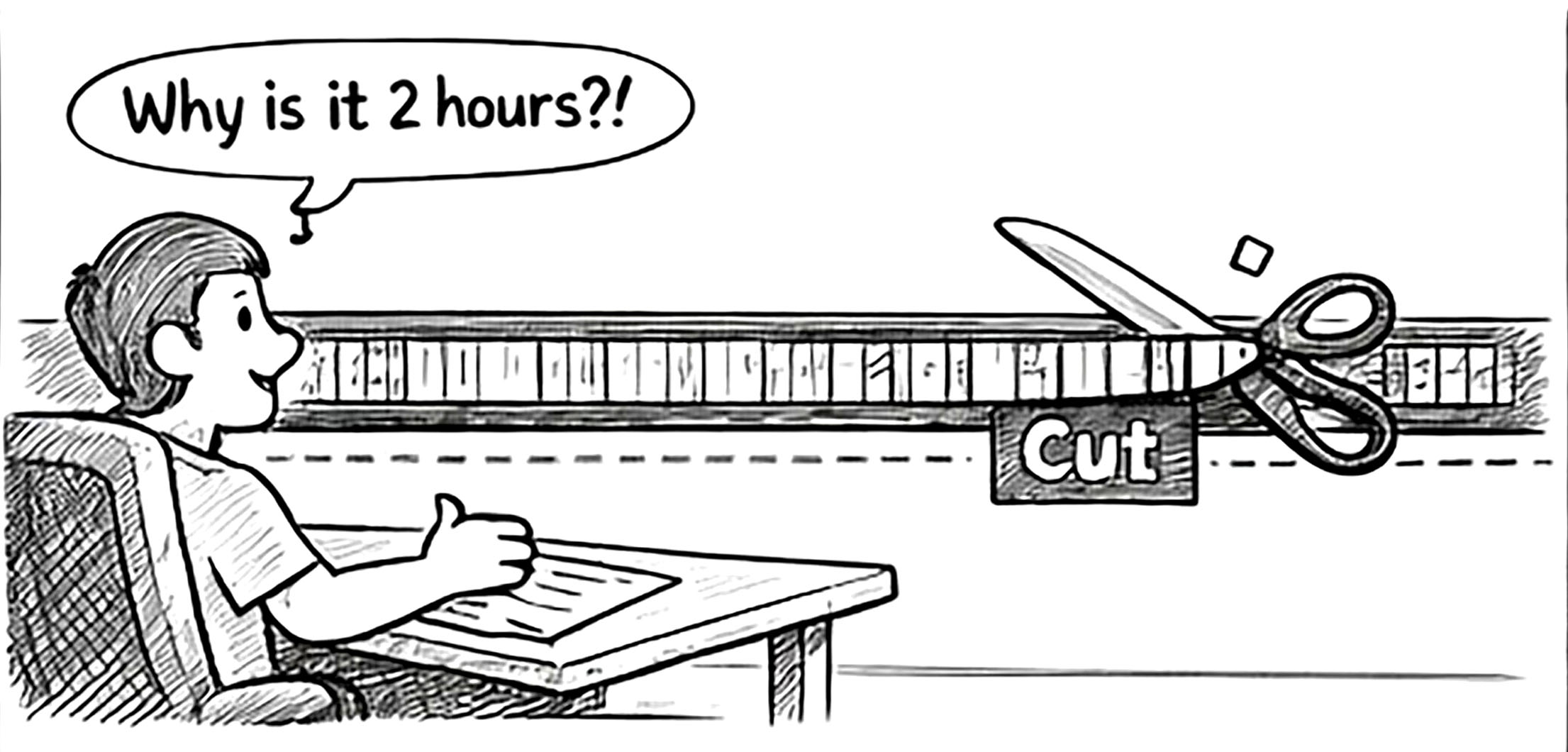
- To examine the quality of the footage and ascertain any editing effects (e.g., levels, colour balance, composition, scale) required to enhance the capture.
- To visualise what to trim from the video captured by removing extraneous footage.
- To take note of how the proposed length of the video and the actual length of footage are matching up.
A rough cut may indeed be much longer than the intended duration. There will need to be some ruthless cutting decisions at this point. But all footage should be viewed before any is discarded. Film director, Martin Scorsese once said, “If you don’t get physically ill seeing your first rough cut, something is wrong.” Any film maker at this point is faced with the editing challenge regarding what will be essential footage and content.
Editing: At this stage work on adjustments and editing effects should begin. Attention should be paid to those mentioned earlier: levels and curves, composition, and colour balance. Ensuring all footage is in appropriate focus is essential. The aim here is to eliminate glaring distractions and at this point there needs to be a consultation with the expert regarding his/her opinion and for the construction of a script, if not already produced. In the main, the expert’s advice/opinion and proposed script will determine the length of the finished production.
Sound editing is also carried out at this stage. This will consist of allocating connected sound files to the video footage and using the editing software if sound and voice enhancement is required.
Music: Selection of music for the intro and end of the video may be helpful. Often royalty free options are chosen and offer tunes that are generic and non-distracting. As an example, the website, soundstripe.com® is a good starting place here.
Formatting and Final Output: Considerations must be given to the video output required. One of the main problems in video production is the final output file size and the constraints applied consistent with intended usage. This is often a post editing decision. At this stage a suitable format must be chosen. For example, if the final use for the video is to be played on a specific YouTube channel then H.264 would be the optimum format choice. It may be that multiple outputs are required for differing display or distribution systems. See comments on ‘Export’ in Part 3.
5. Distributing
Evaluation and Feedback: Fresh eyes to view the video are always important during the latter stage of editing. If the video is a medical subject, then a person without medical training may provide some helpful feedback or even notice a distraction that has slipped by. 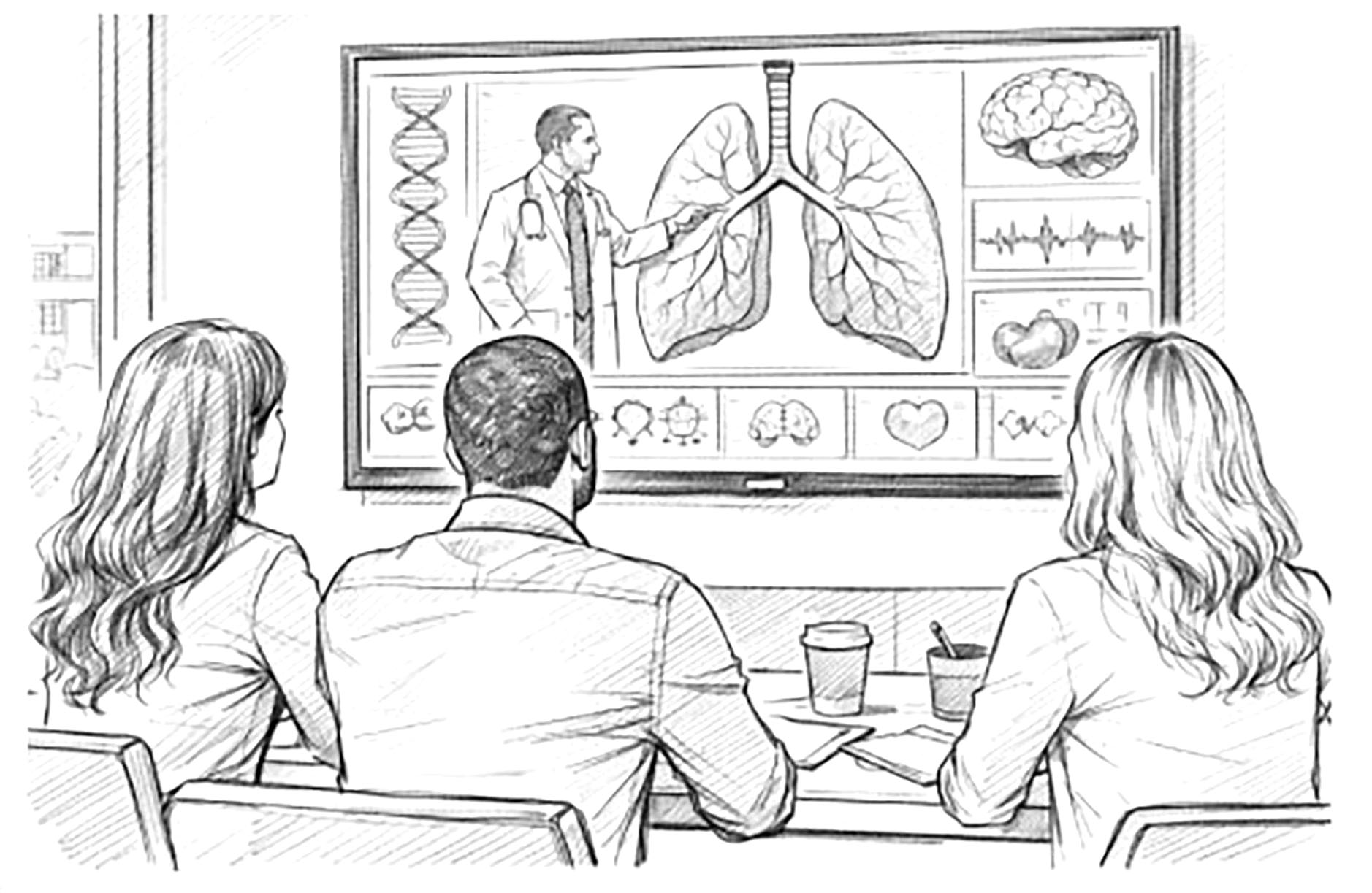 It is often possible for those who have been too close to the project to not notice an obvious glitch. The ’fresh eyes’ viewing (medical and non-medical) may offer general observations as well. In principle non-medical viewers should be able to understand the production at least at a basic level. Film makers need to use feedback constructively and be open to criticism.
On completion, the distribution of the video is not the role of the film maker. The overall aim is to deliver the finished video to the requestor within time constraints and budget estimates. Of course, the aim includes meeting the requirement as per the brief outlined in the request. If communication has been open and frank during the pre-production to post-production phase major problems will be minimised.
In Part 2 of this series will deal with guidelines concerning filming in a sterile or low contamination environment such as operating theatres and procedure rooms.
References:
1. Krumm I.R., Miles M.C., Clay A. Carlos W.G., Adamson R. Making Effective Educational Videos for Clinical Teaching. CHEST Journal 2022;161 (3):764-772