

Creating a Medical Teaching Video - Part 2
John Yeats, AAIMBI
This is a series of five articles based on a presentation given at BIOCOMM 2025 (Tucson, May 5-9, 2025). It is written with the intent of guiding the reader through the steps required to create a teaching video pertaining to medicine.
Part 1: Introduction and General Thoughts
Part 2: Protocols and Procedures for Filming in an Operating Theatre
Part 3: Considerations in Editing Techniques
Part 4: Sound, Narration, Inserting Photos and Text
Part 5: Split Screen, Exporting Files, and Conclusion
Protocols and Procedures for Filming in an Operating Theatre
There will be occasions when a medical photographer or videographer, especially one employed by a hospital will be required to photograph or film in an operating room. This is a specialised environment and as such requires some specific protocols to be adhered to. The utmost concern is patient safety, privacy and compliance with the institutional regulations. The subheadings which appear below are the considerations that need to be made regarding the recording of video in both operating theatres and procedural rooms. 
Preparations
Permission, patient consent and legal compliance: All three are necessary before a video session can be performed in an operating theatre. If a surgeon requests a video to be made of a particular procedure, it is the responsibility of the AV department or the videographer to ensure that the correct authority has been sought for permission and that the filming is compliant with the hospital by-laws and guideline, and/or state by laws. It is imperative that patient consent is obtained, either by the patient or parent, in case of children prior to the procedure.
Ideally, a meeting should be held with the requestor and if possible, appropriate OR (Operating Room) staff to discuss objectives, protocols applicable to the procedure, risks and key video captures.
Practicalities such as equipment and viewpoints (field of view and camera angles) and duration of procedure and any required sterility of equipment should also be raised.
It is important that a video shoot in an operating theatre or procedural room be carefully planned as once in this environment there is little opportunity to discuss matters pertaining to the video. During surgery full attention is on the medical work at hand and the patient’s well-being.
A key person in preparation for filming in an operating theatre is the OR Nurse coordinator. Though the hierarchy will vary between hospitals there is very likely to be a member of the OR staff that will be responsible for the liaising between essential groups.
Equipment
There are several types of capture devices that may be available. For basic capture by a videographer a handheld or tripod mounted device can be used. The normal choices are dedicated video camcorders, SLR cameras and mirrorless cameras with video capabilities. One should aim for high resolution devices that offer at least 4K capture. 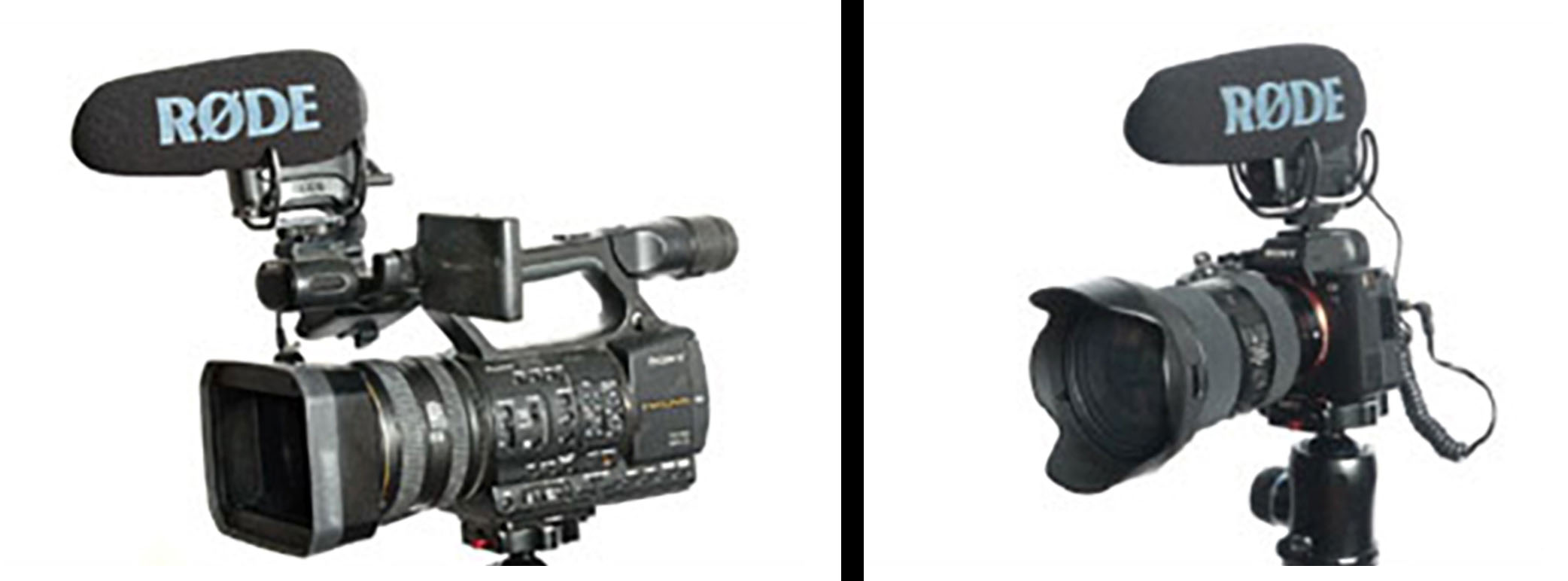 Camcorders offer an all-in-one lens with a high range of enlargement via zoom but are bulky and have a larger ‘presence’ in a typically confined setting. Mirrorless camera particularly those with a video bias are less obtrusive and may be more easily and steadily handheld if a tripod usage is not appropriate.
One needs to consider the lens that will be used. Does it have a macro capability, if required? It may be a consideration to have more than one camera in use, possibly one or both cameras mounted, or one tripod mounted camera and one handheld. The tripod mounted camera can function as either a backup or to provide filling footage when a handheld device needs to be moved.
It is the challenge for the videographer to obtain as much clear footage as possible for key moments of a surgical procedure at usable angles without compromising the sterility or the workspace of the OR staff. The cameras need to be placed in clear viewing positions. There may be little opportunity to alter the camera positions once a procedure has commenced.
Other capture devices. Some facilities and surgeons may use or permit head-mounted devices such as GoPro’s. These can capture action which is basically the surgeon’s field of view which may be very useful as teaching video footage. Such cameras (GoPro® Hero 4) can transmit live images to a smartphone or computer. There are limitations to consider. The surgeon needs to be compliant with using them. There is a weight issue. They may not be suitable for long procedures and cannot be monitored easily to check the footage along the way. The fixed wide-angle focus is benefit as the action will be likely to be captured well within the frame. Postproduction scaling with footage shot on a 4K Go Pro Hero has been documented as achieving excellent results. See below link for an article discussing the advantages of a head mounted camera system worn by surgeons.
https://pmc.ncbi.nlm.nih.gov/articles/PMC4728975/
Shortcomings listed in the above article include the recording time limitation of less than 90 minutes (full battery and recording at 4K). There may be some distortion caused by the ultra-wide angle of shooting of the built-in lens. This is largely correctible in post-production. Interchangeable lenses are available.
Head mounted or surgeon’s point-of-view capture devices are often the only choice when filming of small spaces is needed. For example, ophthalmic surgery, faciomaxillary surgery, cardio thoracic surgery, some abdominal surgeries and dental procedures may all require a surgeon point-of view mounted camera to produce any useful footage for a teaching video
There is always a risk the camera may be dislodged, bumped or accidentally touched during the surgery, and the subsequent contamination risk would need to be assessed and minimized somehow.
Teaching hospitals and other facilities may have a recording system that is built into the operating light. It may be the protocol of some facilities to record all surgery for medico-legal reasons. Again, this footage would be very useful to obtain for asset usage in creating a teaching video. The limitations of OR light mounted cameras may be the occasional interrupted field of view as surgeons and/or OR staff may inadvertently obstruct.
Specialized camera equipment may be installed into devices such as endoscopes, arthroscopes and operating microscopes. Any device that employs the use of monitor screens would be likely to have video recording capabilities. There may need to be some post processing matching of entities such as colour, resolution and aspect ratio but the footage that is obtained by such devices is invariably essential to the operation and as such the teaching video.
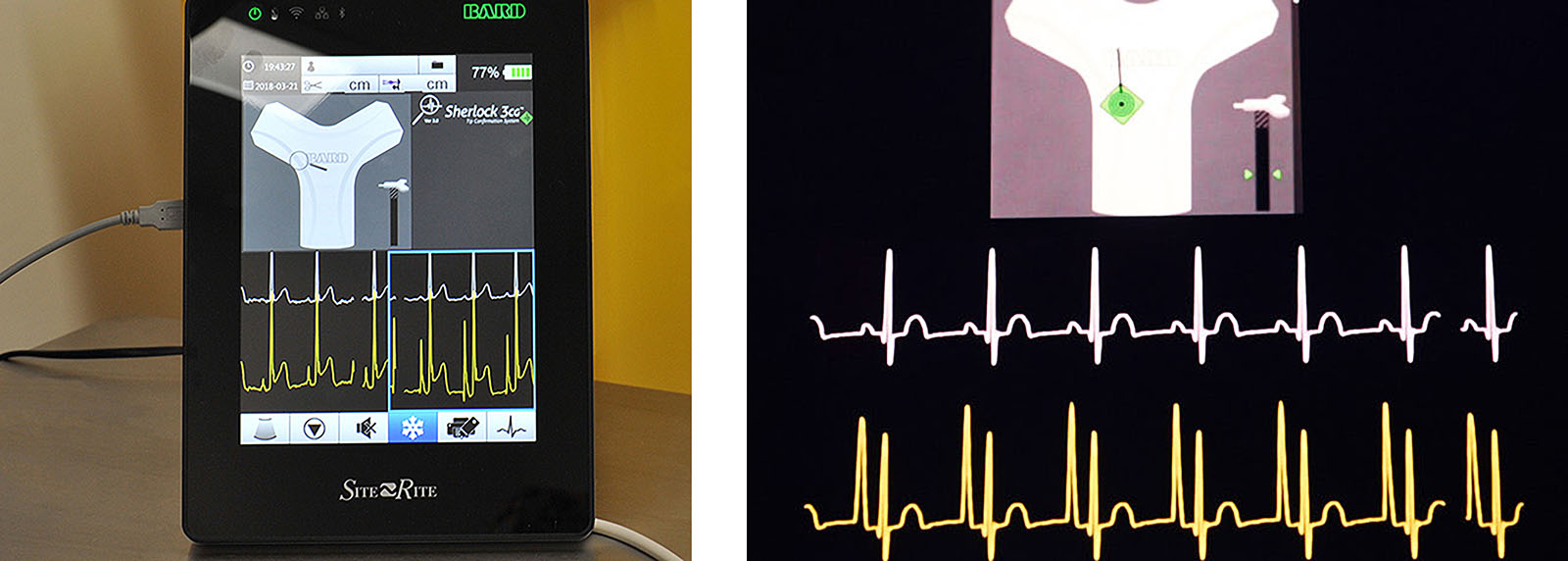 It may also be a consideration to capture the details of the monitor output of an endoscopic procedure for example. This may be done by a direct feed (cable connecting monitor to camera) or if not available a visual capture of a live monitor from a camera focused on it. This technique would also be useful for example when ultrasound or other imaging is used in a procedure or surgery. The details would need to be prepared for, and discussed prior to the procedure.
As technology is constantly improving with video capture devices a more automated system of image capture will no doubt be the way of the future.
Operating Room Protocols
Preparation and clear communication of objectives has already been discussed above. Once in the operating room a camera operator must have a clear understanding of OR protocols regarding sterility of certain sections of the OR and must abide by these protocols. Avoidance of patient risk is the utmost concern of any OR staff and camera operator.
Appropriate dress must be adhered to. Scrubs, cap, mask, shoe covering, gloves etc will be the likely dress in the OR. Procedural room filming may not be the same, but the requirement of dress should be discussed, as to minimizing contamination. Camera gear, cameras, tripods and lighting should be clean and wiped prior to entry to the OR with alcohol swabs, or a germicidal solution mandated by the facility. Finding out if the draping of equipment is required should be one of the preparation steps and adherence to requests such as this is expected.
It is important that the camera operator finds a position for his recording devices that is unobstructive. It is likely that a tripod will be used, and this should be placed well out of the paths of movement and that staff are aware of its presence.
The camera operator must be willing to declare any illness that they may be carrying and vaccination status of the operator or crew will need to be compliant with the facilities policy. Again, patient safety is of utmost concern and priority. The camera operator needs to be aware of risks to themselves via contamination with for example, bodily fluids. Again, some training in OR protocols is of benefit prior to undertaking a surgical procedure filming project.
Here are some capture technique tips to assist during the shoot:
- Consider a wireless microphone placed on the surgeon prior to entering the OR. This will help to sort out footage post-production even if the accompanying audio is not going to be used (i.e., a narration or voice-over chosen to be used).
- Choose camera equipment which is available and that best suits the situation. The bias may be the resolution capabilities of the recording device. On the other hand, the need for a long focal length lens may be the greater influence of choice. As discussed earlier, multiple recording devices may be used and the decisions may be based on capabilities to ensure seamless colour matching in post-production. Consider use of tripods, placed well out of staff workflow paths, that may record vital pieces of equipment such as endoscopic monitors, ultrasound screens, instrument tables where certain procedures carried out.
- OR lighting is generally very bright and so, small aperture shooting will be to the advantage of the videographer in terms of focus and depth of field. Consider use of long lens where appropriate. Sharp focus needs to be a priority in all shots. Exposure and colour balance can be adjusted in post-production but an out of focus video is almost non usable as a teaching aid.
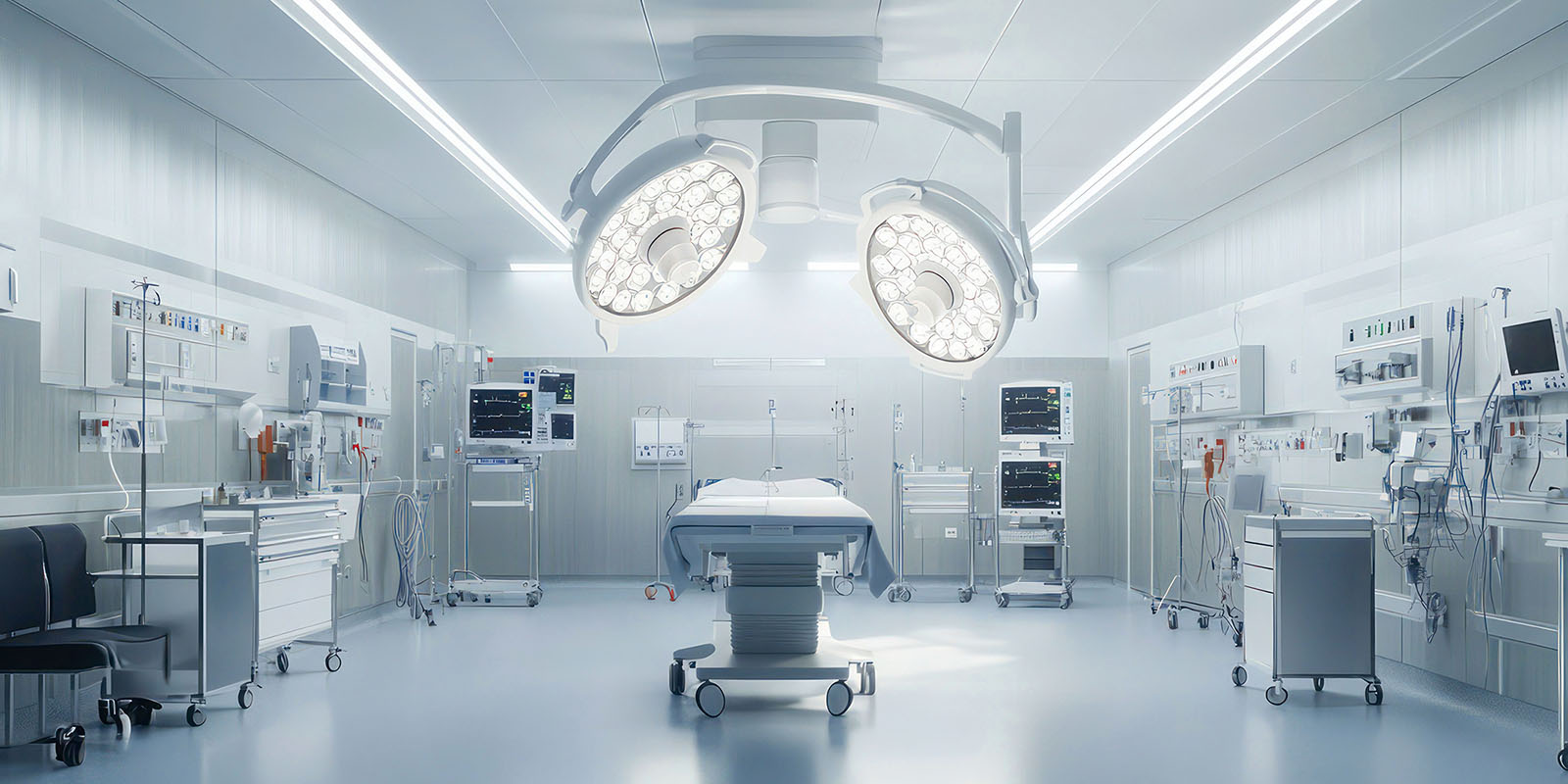
- If guidelines have been established in the preparatory phase and a good rapport exists, the videographer may attempt to ask the surgeon or staff to move momentarily to capture a clear shot. However, ‘reading the room’ is a prerequisite.
- Capturing key still images is an important part of a video capture of the surgery. While still images from the footage (especially if 4K resolution) can be obtained in post-production, some well composed and exposed images capture during surgery will be valuable in the editing phase.
In Part 3 of this series we will look at specific video editing techniques.
Further Reading
- Best Practices for Shooting Video in the Operating Room
- How to Record High Quality Surgical Videos in the Operating Room
- How to Shoot Video in the Operating Room
- Meditech Communications Filming in the Operating Room
- Surgeon Point-of-View Recording Using a High Definition Head Mounted Camera in the Operating Room
- TVASurg Process: Filming in the OR